The Dealer: Paul Durand-Ruel
The Dealer: Paul Durand-Ruel
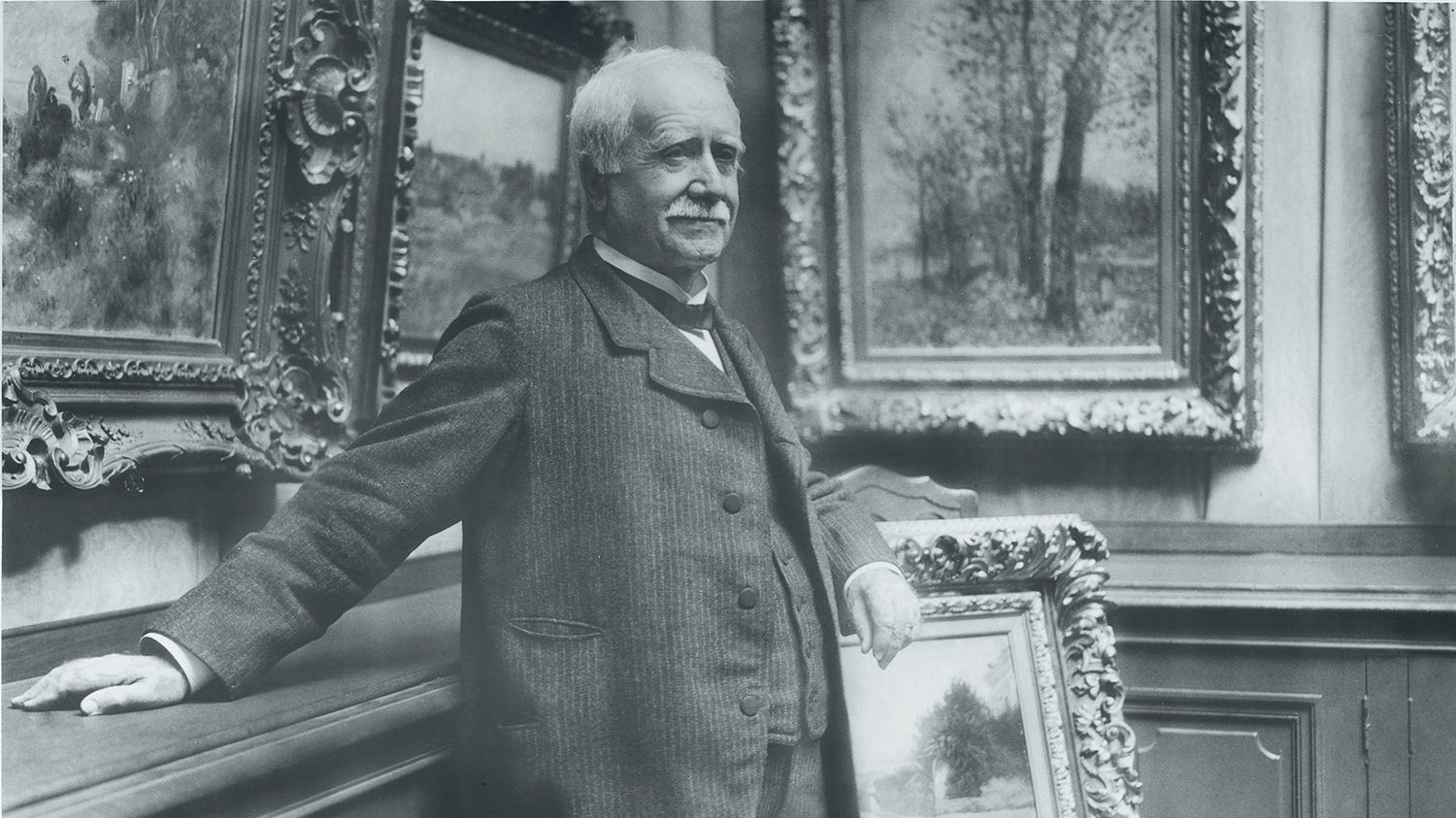
“We needed a reactionary to defend our painting.” [1]
These words by Pierre-Auguste Renoir introduce the French art dealer Paul Durand-Ruel as an unlikely but effective champion of avant-garde art in the second half of the 19th century. Though his “eternal frock coat” could mistake him for a country lawyer, as Le Guide de l’amateur d’oeuvres d’art observed in 1892, Durand-Ruel operated from the center of the Parisian art market — and would stake his fortune on artists the establishment openly despised.
Born in Paris in 1831, Durand-Ruel entered the art world through his parents, Jean-Marie-Fortuné Durand and Marie-Ferdinande Ruel, who owned a paper and print shop, which soon evolved into a gallery.
After his father’s death 1865, Durand-Ruel took over the company and became a major dealer of Romantic and Barbizon school artists like Eugène Delacroix, Jean-Baptiste-Camille Corot, and Gustave Courbet. These artists were not yet viewed favorably by the art establishment, and Durand-Ruel and his business partner, Hector Brame established a monopoly, paying high prices for a large amount of paintings. [2]
In the early 1870s, Durand-Ruel fled to London to avoid the Franco-Prussian War. He rented a gallery space at 168 Bond Street in order to exhibit French artists, which was under the management of Charles Deschamps. Soon after his arrival in London, the dealer was introduced to Claude Monet and Camille Pissarro. Within a year, he was buying around 30 canvases from each artist, and soon began buying out the studios of their contemporaries like Edgar Degas, Alfred Sisley, and Renoir.
In 1872, Durand-Ruel visited the Paris studio of Édouard Manet and purchased major works that had struggled to sell, including “Moonlight at the Port of Boulogne” (1868), “The Battle of the U.S.S. ‘Kearsarge’ and the C.S.S. ‘Alabama’” (1864), and “The Salmon” (1869).
“I frankly admit that up to that point I had never seriously looked at Manet’s work,” Durand-Ruel recalled years later. “Dazzled by my purchase—because you never truly appreciate a work of art unless you own it and live with it—the very next day I went to Manet’s and bought, on the spot, everything I found there.” [1]
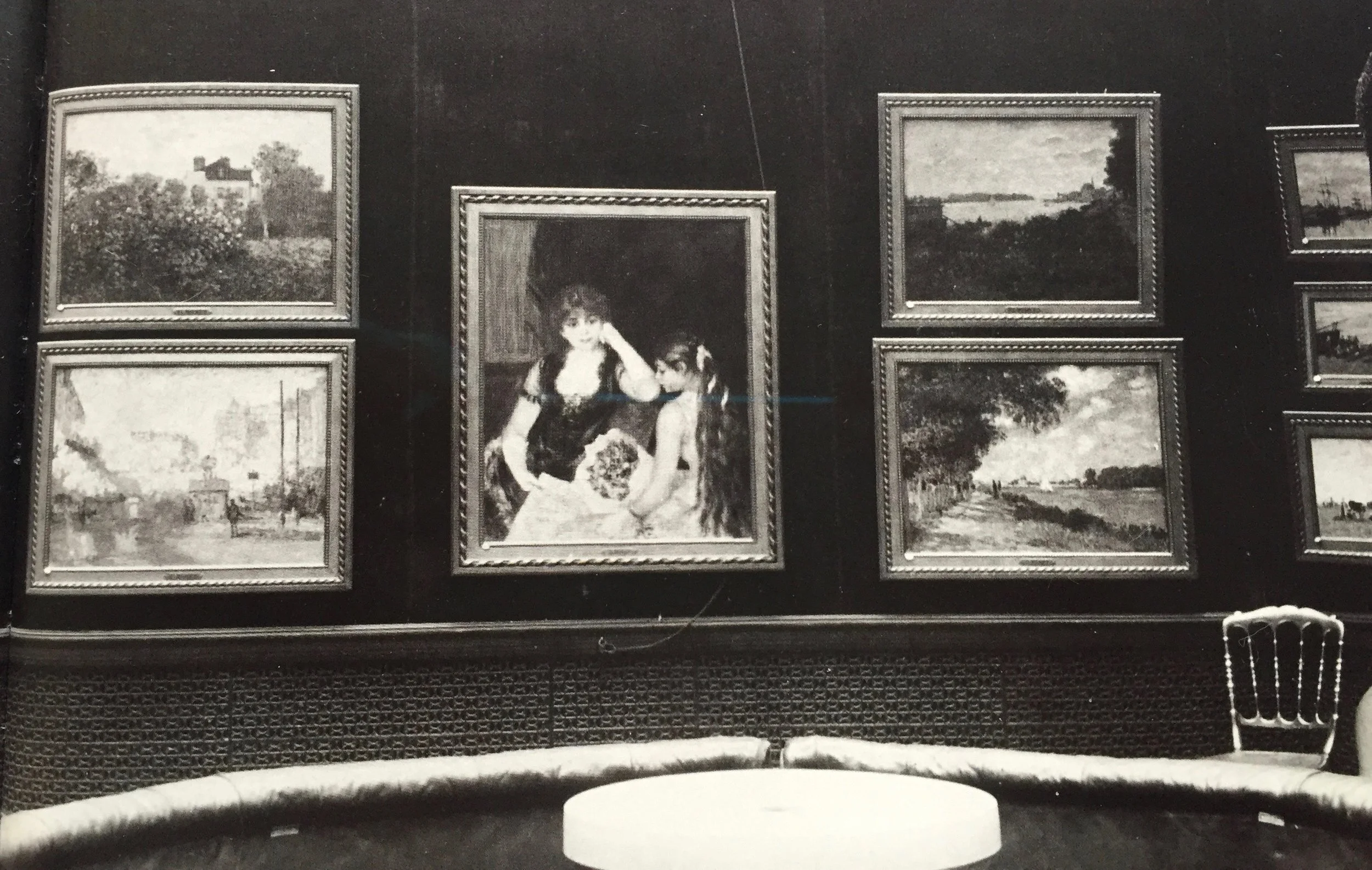
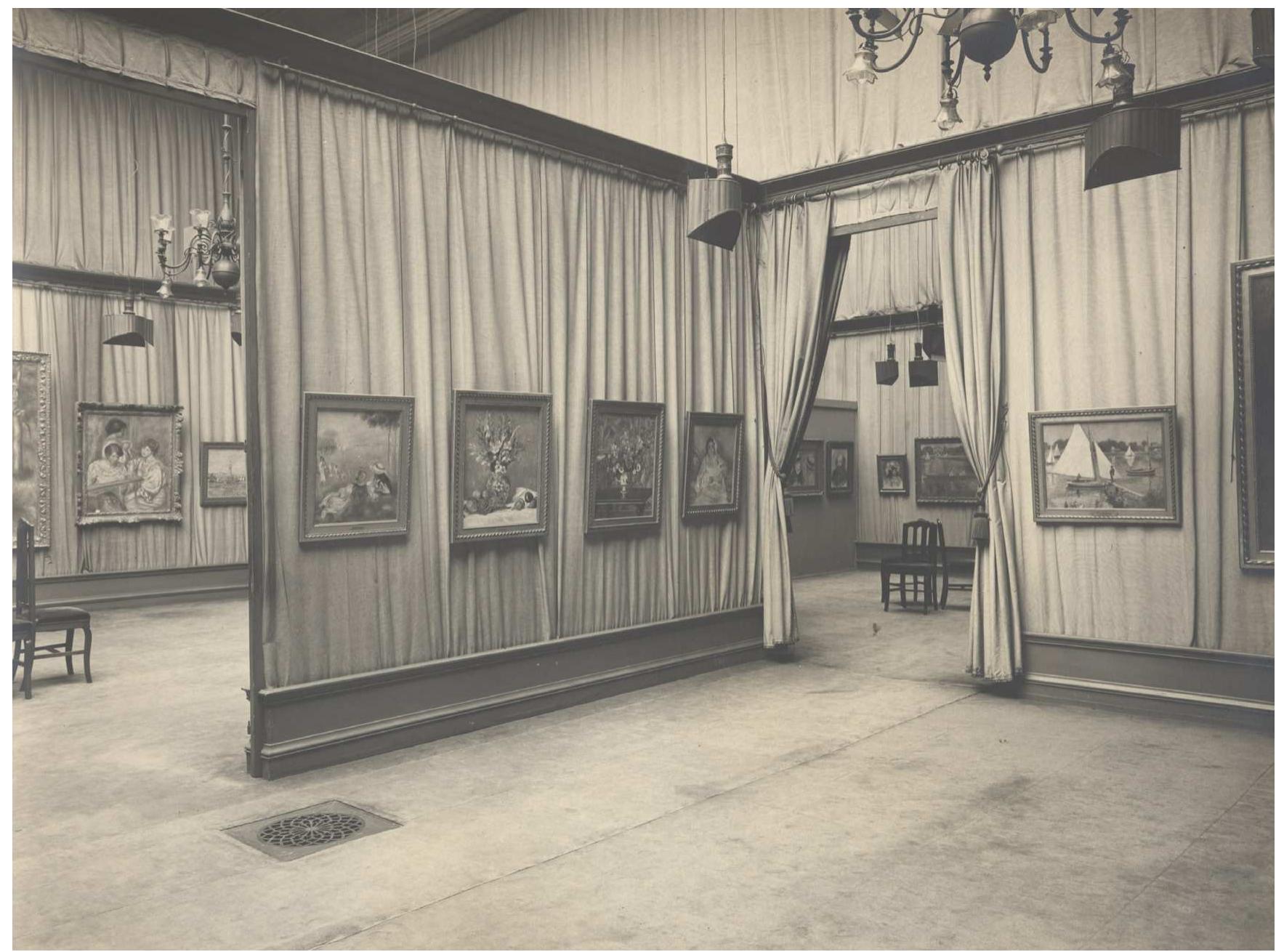
In 1876, Durand-Ruel filled three rooms of his gallery at 11 rue Le Peletier for a second exhibition of Impressionist artists. Overwhelmingly rejected, this exhibition and his gallery were declared an “insane asylum.” In response to the Renoir painting “Study: Torso, Sunlight Effect,” Albert Wolff wrote, “Try to explain to M. Renoir that a woman’s torso is not a mass of decomposing flesh with purplish-green spots that denote the state of complete putrefaction in a corpse.” [3]
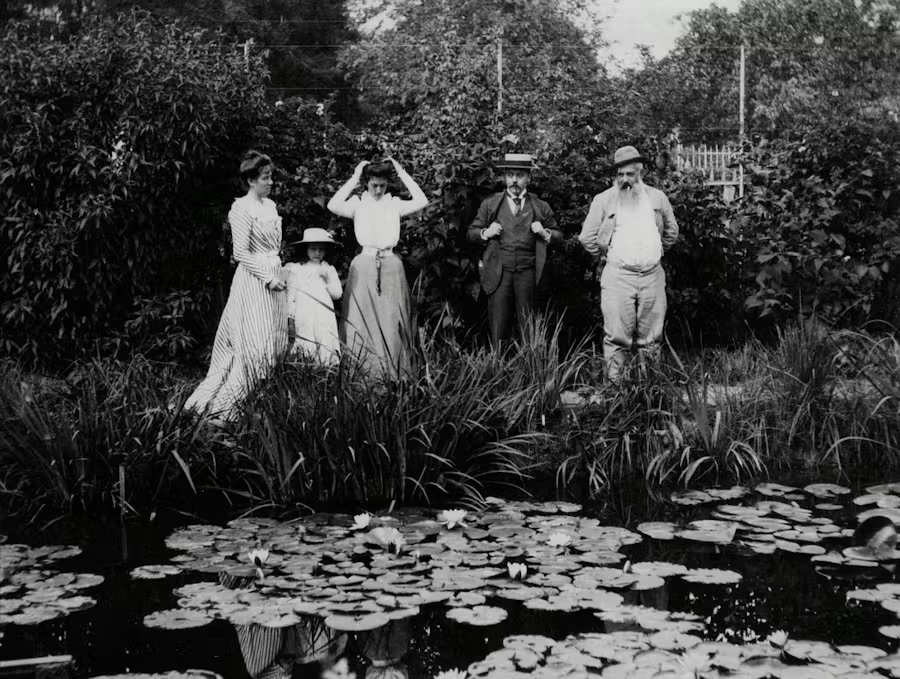
Despite the reception, Durand remained loyal to the Impressionists, offering stipends, loans, and moral support. Monet, for example, bought his property at Giverny with the assistance of Durand-Ruel. Per Monet, “We would have died of hunger without Durand-Ruel, all we impressionists.” [4]
In a catalog essay for “Discovering the Impressionists: Paul Durand-Ruel and the New Painting,” the art historian Simon Kelly outlines Durand-Ruel’s methods: “The monopolization of the artists in his stable to raise their prices; the consistent setting of sales records for their works at auction; the spectacular one-person or group retrospective; the use of the artist biography to raise collector interest and further legitimize his work; and the promotion of work not only in France but also on an international stage through an exhibition circuit across Europe and America.” [5]
Durand’s approach—buying large amounts of work even without an immediate market—was innovative in cornering the market, but financially risky. There was not a ready market for Monet’s brushy pictures of London or Degas’ ballerinas, and the dealer was often burdened with debt. Between 1875 and 1880, he stopped buying new work directly from any of the Impressionists altogether. His fortunes were temporarily salvaged by a new backer, Jules Feder, director of the Union Générale Bank. But in 1882 the bank failed and Durand-Ruel was on the verge of bankruptcy. [1]
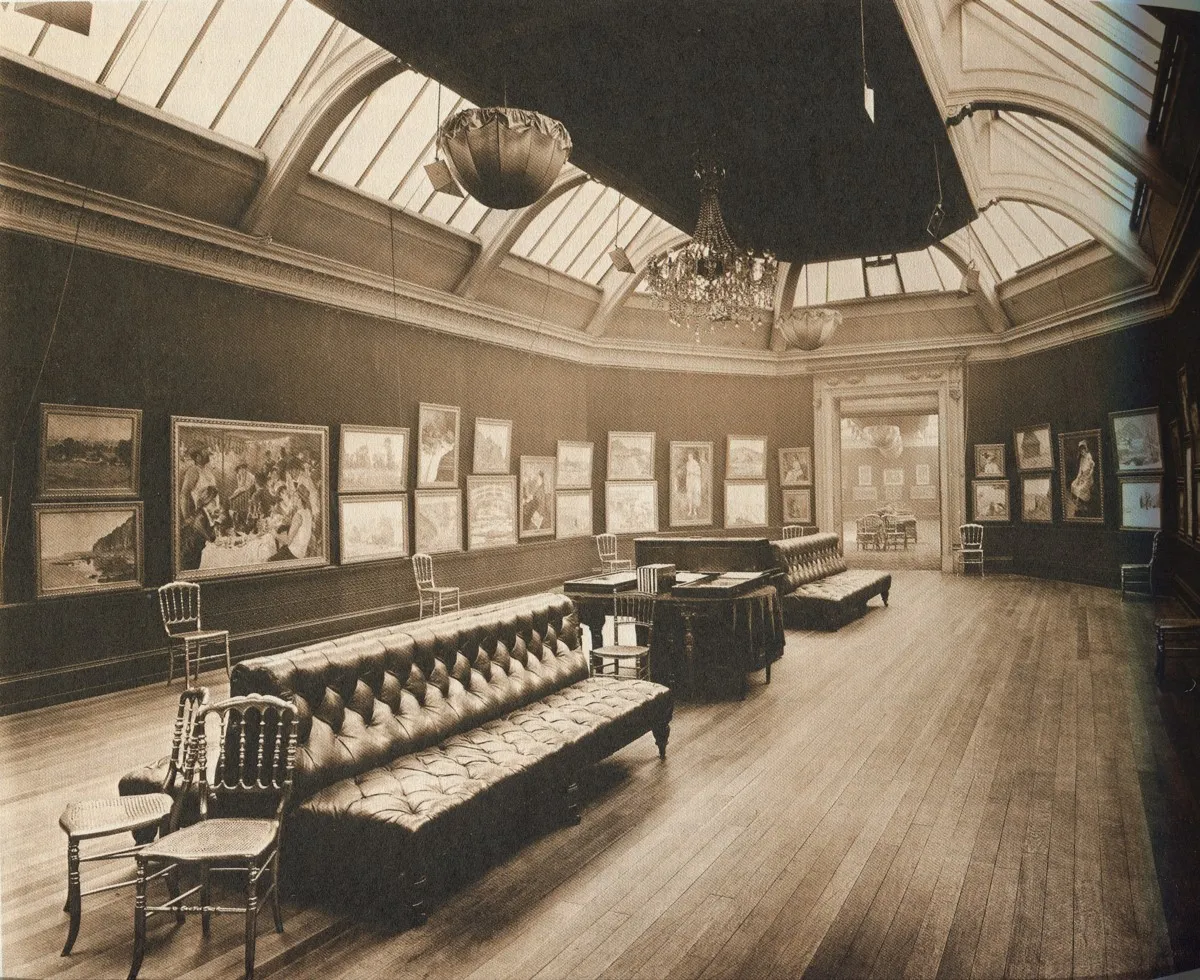
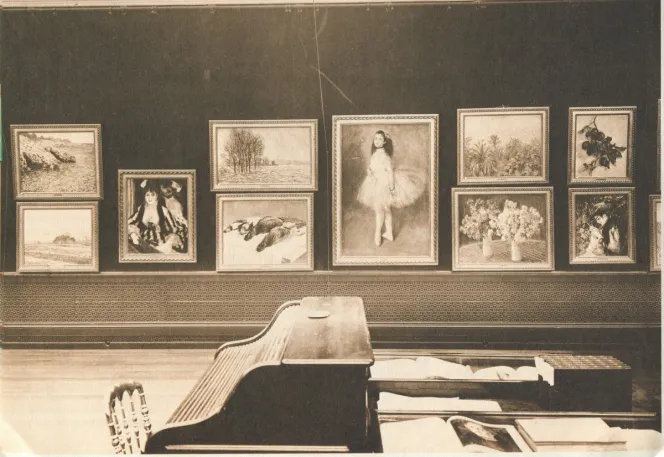
His financial setbacks were finally assuaged when James F. Sutton, head of the recently incorporated American Art Association, invited him to organize an exhibition and arranged for the “duty-free importation of pictures and objets d’art to be shown in its galleries.” In March 1886, Durand-Ruel and his son, Charles, arrived in New York alongside 43 cases containing $81,799 worth of artwork. “Works in Oil and Pastel by the Impressionists of Paris” showcased 289 paintings and pastels, and was largely considered a success. By the time Durand-Ruel returned to Europe a few months later, he had sold 49 pictures for about $40,000. [Ibid.]
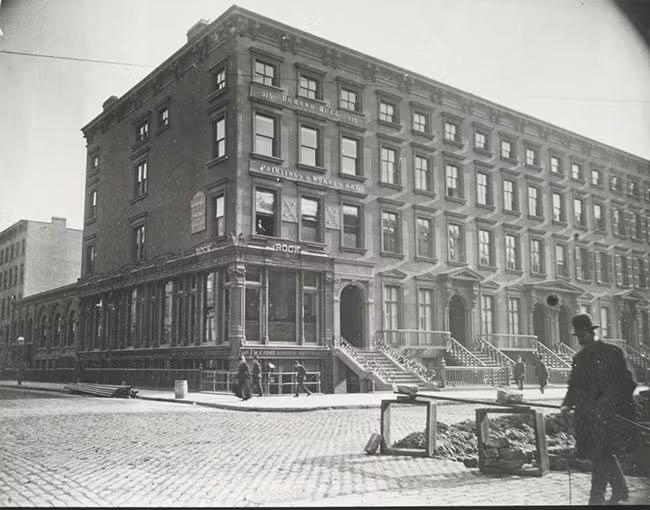
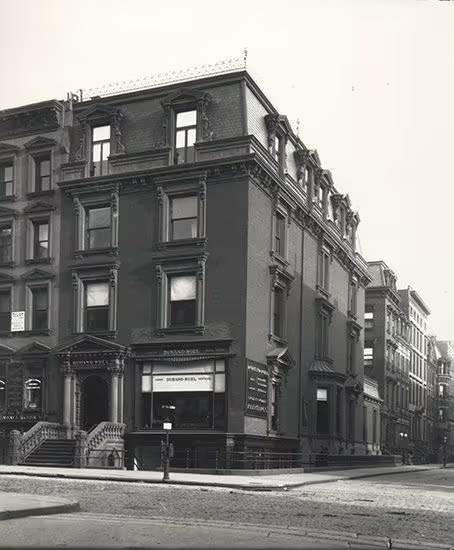
“Don’t take the Americans for savages,” he told Henri Fantin-Latour, whom he was encouraging to participate in his next exhibition. “On the contrary, they are less ignorant and less hidebound than our French collectors. Paintings that took twenty years to gain acceptance in Paris met with great success there.” [Ibid.] The following year, he opened a gallery in New York, which would promote contemporary art from a variety of addresses until it closed in 1950.
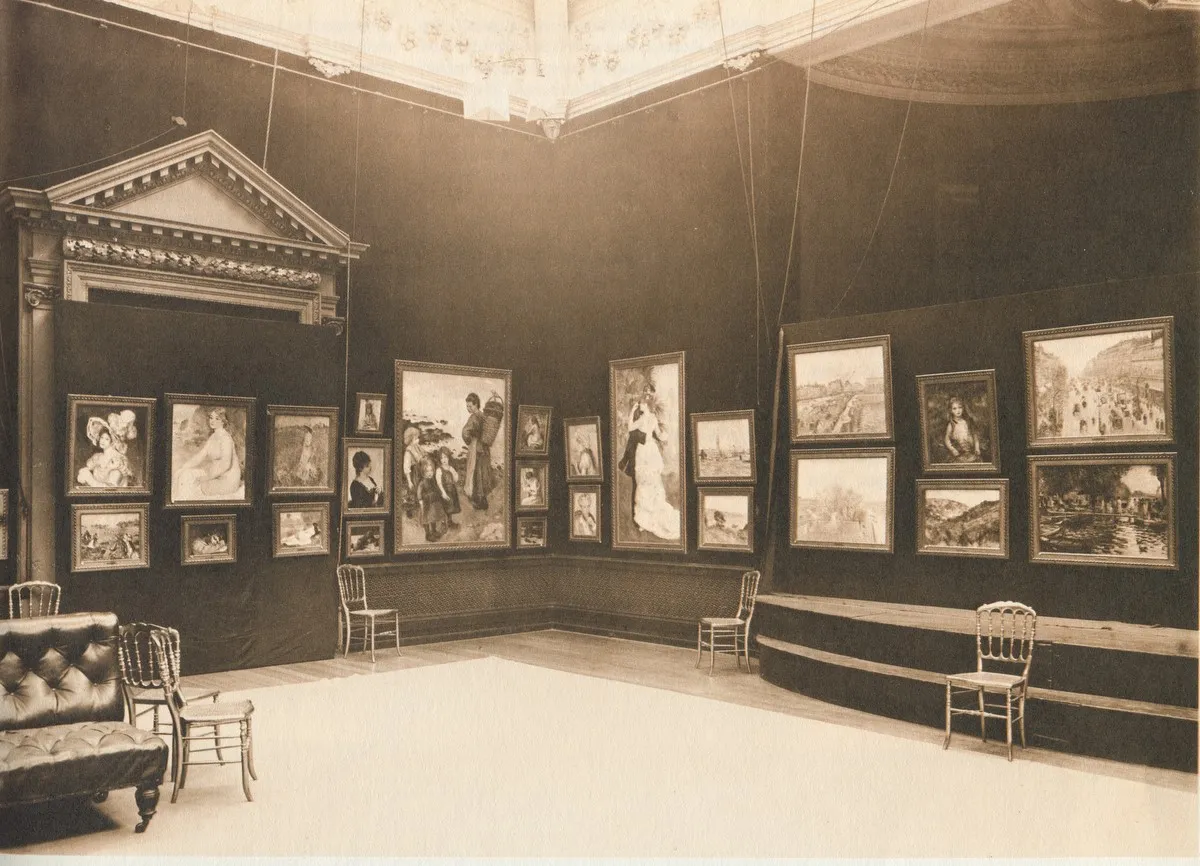
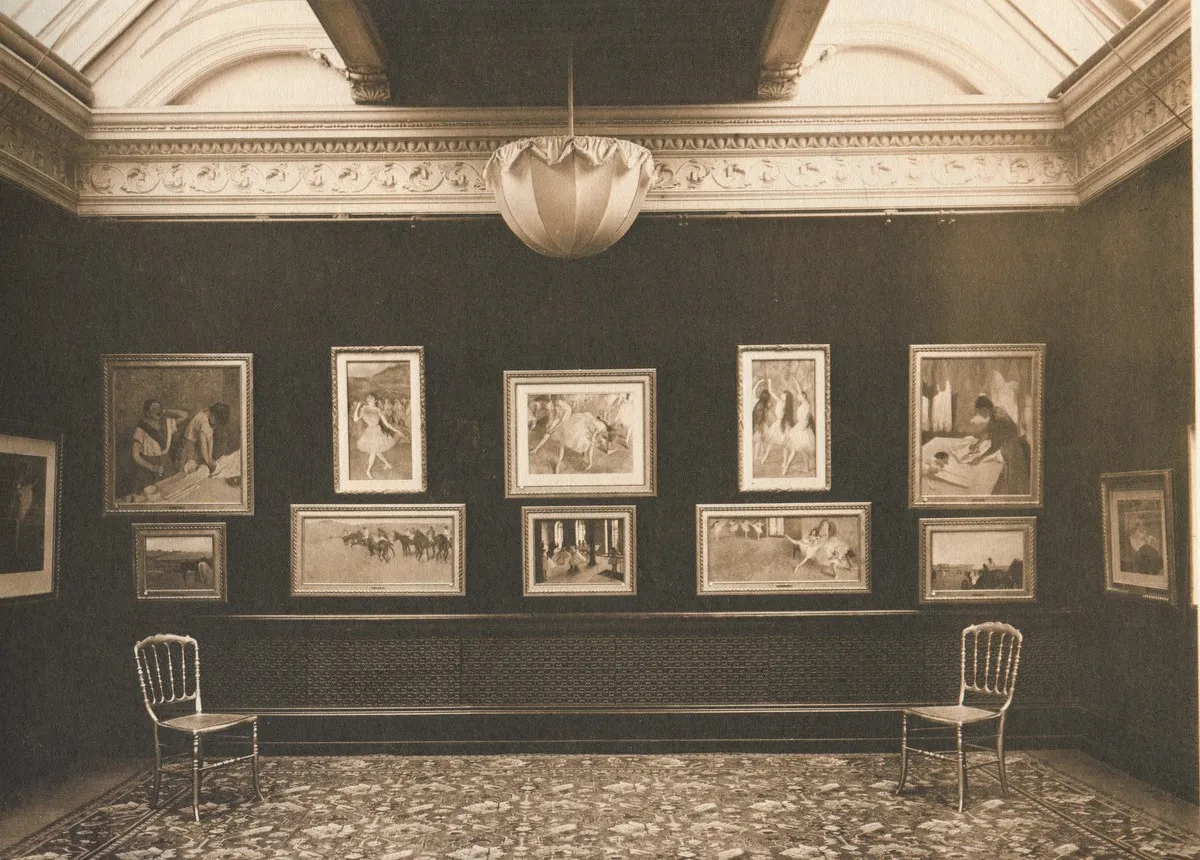
In 1905, Durand-Ruel opened a major Impressionism exhibition at the Grafton Galleries in London. The show, comprising over 300 canvases, including 59 Renoirs, 55 Monets, 49 Pissarros, 38 Boudins, 37 Sisleys, 35 Degas, 19 Manets, 13 Berthes Morisots, and 10 Cézannes, is still considered the most important exhibition of the movement.
Durand-Ruel is estimated to have purchased over 12,000 paintings throughout his career, including approximately 1,500 Renoirs, 1,000 Monets, 800 Pissarros, 400 by Degas and Sisley, and 200 Manets. Among the masterpieces to pass through his gallery were Renoir’s “Le Déjeuner des canotiers” (1881), Monet’s “Meules (fin du jour, automne)” (1890-91), Degas’ “Miss Lala au Cirque Fernando” (1879), Manet’s “La Musique aux Tuileries” (1882-83), and Mary Cassatt’s “The Child’s Bath” (1893).
Durand-Ruel died in 1922 at the age of 89. “At last the Impressionist masters triumphed,” he said towards the end of his life. “My madness had been wisdom. To think that, had I passed away at 60, I would have died debt-ridden and bankrupt, surrounded by a wealth of underrated treasures.” [4]
These words by Pierre-Auguste Renoir introduce the French art dealer Paul Durand-Ruel as an unlikely but effective champion of avant-garde art in the second half of the 19th century. Though his “eternal frock coat” could mistake him for a country lawyer, as Le Guide de l’amateur d’oeuvres d’art observed in 1892, Durand-Ruel operated from the center of the Parisian art market — and would stake his fortune on artists the establishment openly despised.
Born in Paris in 1831, Durand-Ruel entered the art world through his parents, Jean-Marie-Fortuné Durand and Marie-Ferdinande Ruel, who owned a paper and print shop, which soon evolved into a gallery.
After his father’s death 1865, Durand-Ruel took over the company and became a major dealer of Romantic and Barbizon school artists like Eugène Delacroix, Jean-Baptiste-Camille Corot, and Gustave Courbet. These artists were not yet viewed favorably by the art establishment, and Durand-Ruel and his business partner, Hector Brame established a monopoly, paying high prices for a large amount of paintings. [2]
In the early 1870s, Durand-Ruel fled to London to avoid the Franco-Prussian War. He rented a gallery space at 168 Bond Street in order to exhibit French artists, which was under the management of Charles Deschamps. Soon after his arrival in London, the dealer was introduced to Claude Monet and Camille Pissarro. Within a year, he was buying around 30 canvases from each artist, and soon began buying out the studios of their contemporaries like Edgar Degas, Alfred Sisley, and Renoir.
In 1872, Durand-Ruel visited the Paris studio of Édouard Manet and purchased major works that had struggled to sell, including “Moonlight at the Port of Boulogne” (1868), “The Battle of the U.S.S. ‘Kearsarge’ and the C.S.S. ‘Alabama’” (1864), and “The Salmon” (1869).
“I frankly admit that up to that point I had never seriously looked at Manet’s work,” Durand-Ruel recalled years later. “Dazzled by my purchase—because you never truly appreciate a work of art unless you own it and live with it—the very next day I went to Manet’s and bought, on the spot, everything I found there.” [1]
In 1876, Durand-Ruel filled three rooms of his gallery at 11 rue Le Peletier for a second exhibition of Impressionist artists. Overwhelmingly rejected, this exhibition and his gallery were declared an “insane asylum.” In response to the Renoir painting “Study: Torso, Sunlight Effect,” Albert Wolff wrote, “Try to explain to M. Renoir that a woman’s torso is not a mass of decomposing flesh with purplish-green spots that denote the state of complete putrefaction in a corpse.” [3]
Despite the reception, Durand remained loyal to the Impressionists, offering stipends, loans, and moral support. Monet, for example, bought his property at Giverny with the assistance of Durand-Ruel. Per Monet, “We would have died of hunger without Durand-Ruel, all we impressionists.” [4]
In a catalog essay for “Discovering the Impressionists: Paul Durand-Ruel and the New Painting,” the art historian Simon Kelly outlines Durand-Ruel’s methods: “The monopolization of the artists in his stable to raise their prices; the consistent setting of sales records for their works at auction; the spectacular one-person or group retrospective; the use of the artist biography to raise collector interest and further legitimize his work; and the promotion of work not only in France but also on an international stage through an exhibition circuit across Europe and America.” [5]
Durand’s approach—buying large amounts of work even without an immediate market—was innovative in cornering the market, but financially risky. There was not a ready market for Monet’s brushy pictures of London or Degas’ ballerinas, and the dealer was often burdened with debt. Between 1875 and 1880, he stopped buying new work directly from any of the Impressionists altogether. His fortunes were temporarily salvaged by a new backer, Jules Feder, director of the Union Générale Bank. But in 1882 the bank failed and Durand-Ruel was on the verge of bankruptcy. [1]
His financial setbacks were finally assuaged when James F. Sutton, head of the recently incorporated American Art Association, invited him to organize an exhibition and arranged for the “duty-free importation of pictures and objets d’art to be shown in its galleries.” In March 1886, Durand-Ruel and his son, Charles, arrived in New York alongside 43 cases containing $81,799 worth of artwork. “Works in Oil and Pastel by the Impressionists of Paris” showcased 289 paintings and pastels, and was largely considered a success. By the time Durand-Ruel returned to Europe a few months later, he had sold 49 pictures for about $40,000. [Ibid.]
“Don’t take the Americans for savages,” he told Henri Fantin-Latour, whom he was encouraging to participate in his next exhibition. “On the contrary, they are less ignorant and less hidebound than our French collectors. Paintings that took twenty years to gain acceptance in Paris met with great success there.” [Ibid.] The following year, he opened a gallery in New York, which would promote contemporary art from a variety of addresses until it closed in 1950.
In 1905, Durand-Ruel opened a major Impressionism exhibition at the Grafton Galleries in London. The show, comprising over 300 canvases, including 59 Renoirs, 55 Monets, 49 Pissarros, 38 Boudins, 37 Sisleys, 35 Degas, 19 Manets, 13 Berthes Morisots, and 10 Cézannes, is still considered the most important exhibition of the movement.
Durand-Ruel is estimated to have purchased over 12,000 paintings throughout his career, including approximately 1,500 Renoirs, 1,000 Monets, 800 Pissarros, 400 by Degas and Sisley, and 200 Manets. Among the masterpieces to pass through his gallery were Renoir’s “Le Déjeuner des canotiers” (1881), Monet’s “Meules (fin du jour, automne)” (1890-91), Degas’ “Miss Lala au Cirque Fernando” (1879), Manet’s “La Musique aux Tuileries” (1882-83), and Mary Cassatt’s “The Child’s Bath” (1893).
Durand-Ruel died in 1922 at the age of 89. “At last the Impressionist masters triumphed,” he said towards the end of his life. “My madness had been wisdom. To think that, had I passed away at 60, I would have died debt-ridden and bankrupt, surrounded by a wealth of underrated treasures.” [4]
3
Deutsch, Allison. “Consuming Painting: Food and the Feminine in Impressionist Paris. Penn State University Press. 2021
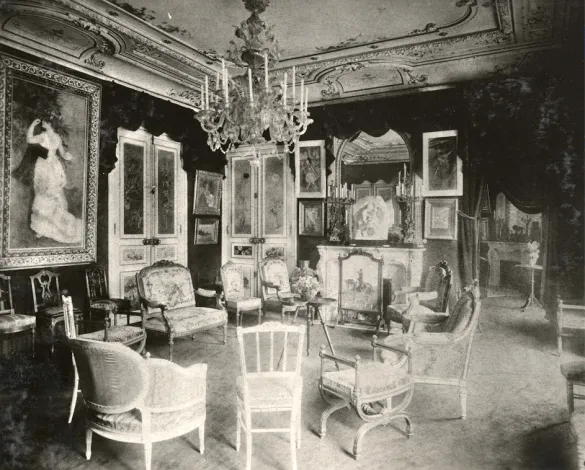
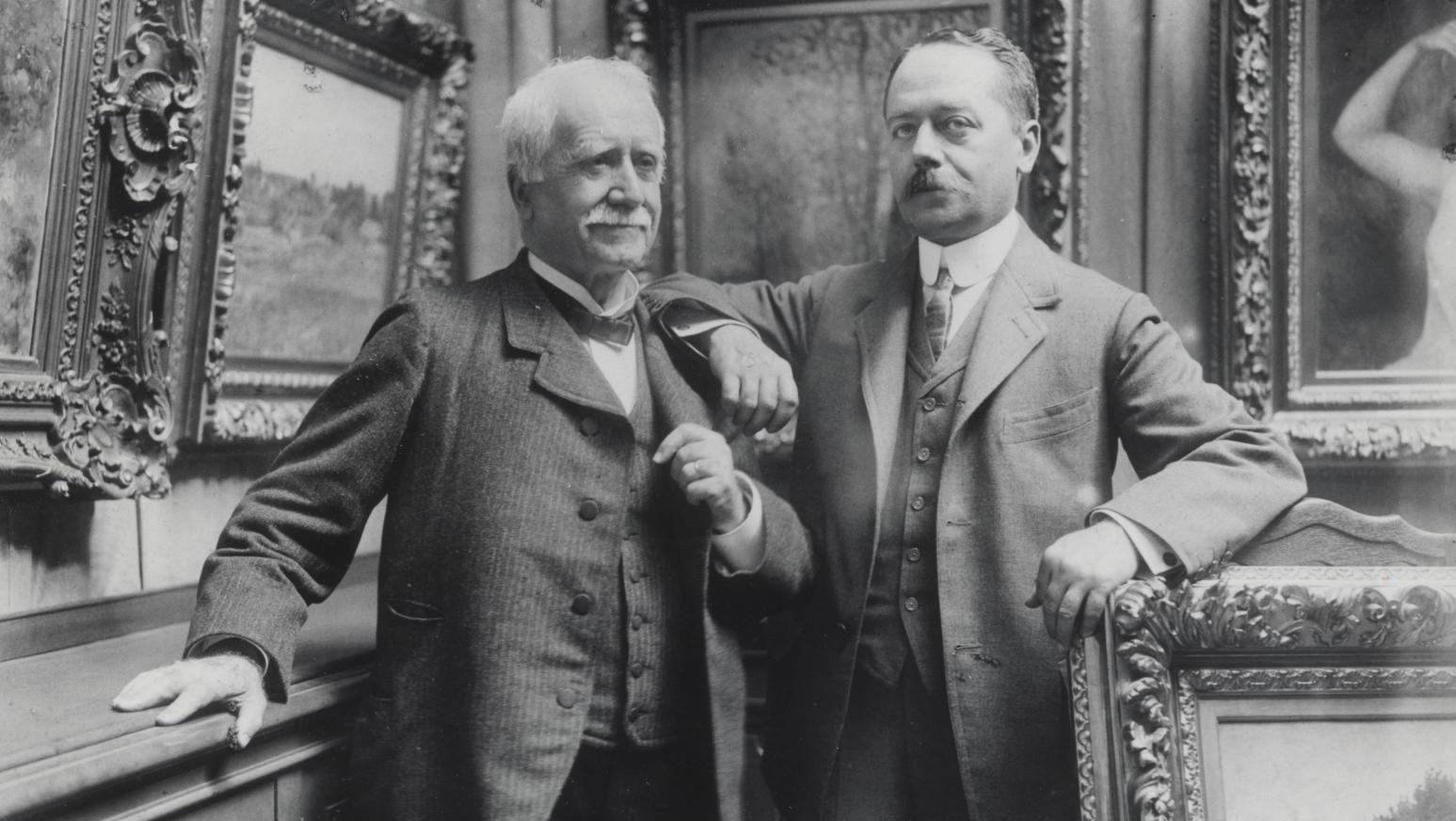
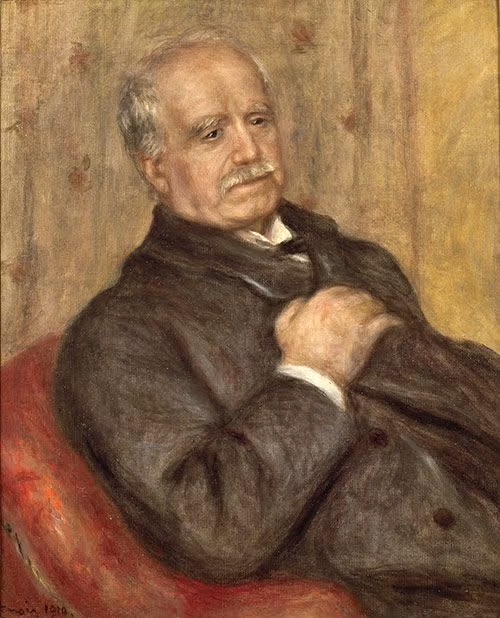
Image: Paul Durand-Ruel in his gallery, 1910
03.04.2026